Rectangle Wall Mirror Guide: Size, Height & Secure Mount
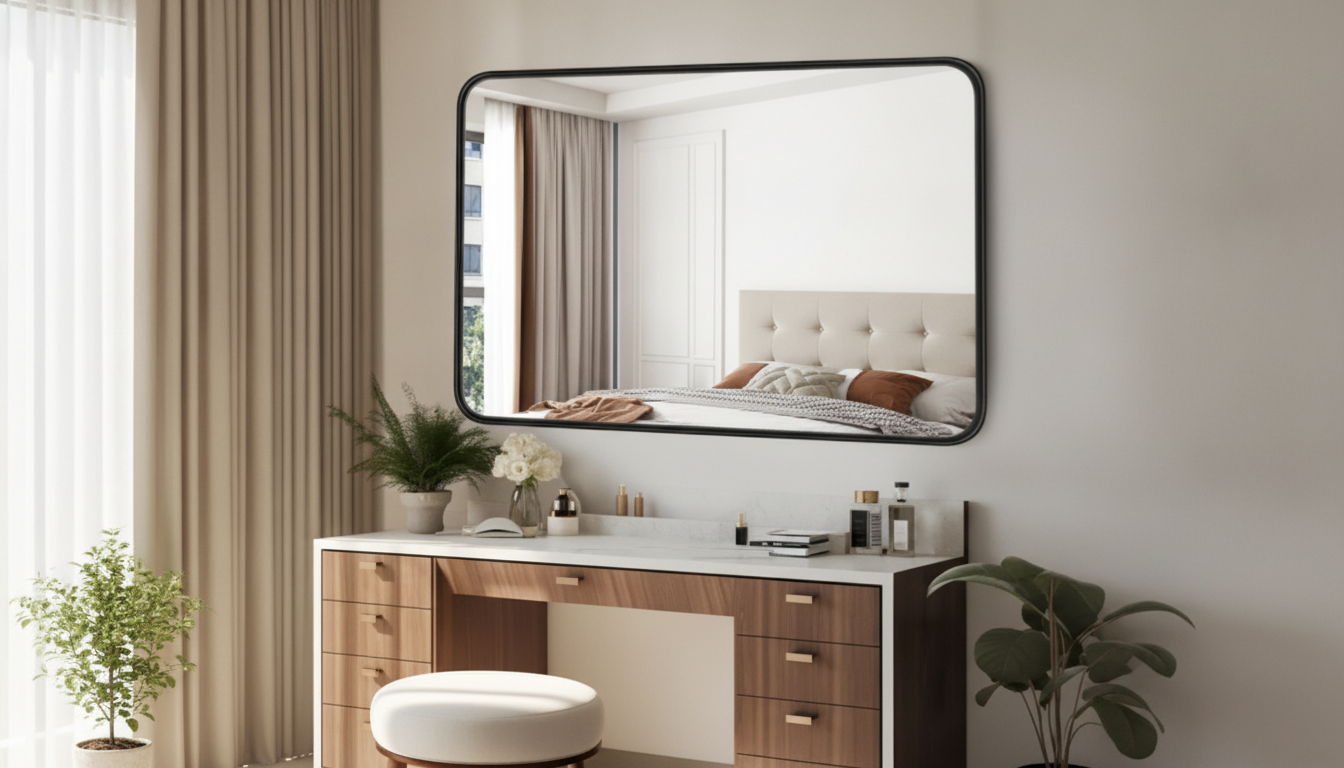
Rectangle Wall Mirror: Size, Placement, and Mounting for a Clean, Balanced Look
A rectangle wall mirror can make a room feel brighter, taller, and more pulled together—when it’s scaled and mounted correctly. The shape is simple, but it’s also unforgiving: if it’s too small, too high, or slightly crooked, the whole wall can feel “off.” Use the tips below to choose the right dimensions, decide between vertical or horizontal orientation, and install it securely for everyday use.
Why a Rectangle Mirror Works in Most Rooms
Rectangle mirrors look “built-in” because they naturally echo the straight lines already found in most homes. Doors, windows, tile grids, cabinet faces, and shelving all share that same geometry, so a rectangle mirror tends to blend in while still making a statement.
- Creates strong lines that echo doors, windows, tile layouts, and cabinetry
- Expands visual space by reflecting light and extending sightlines
- Flexible orientation: vertical for height, horizontal for width
- Easy to pair with modern, traditional, rustic, and minimalist decor
Choosing the Right Size and Proportion
Start with what the mirror sits above (or next to), then consider how far away people will stand when using it. A rectangle mirror should look intentional—not like it was the only size left on the shelf.
- Over a vanity or console: aim for a mirror width that’s slightly narrower than the furniture (commonly 2–6 inches narrower on each side) for clean margins.
- For a full view: choose a height that supports outfit checks based on mounting height and typical viewing distance.
- For visual balance: larger mirrors suit large blank walls; smaller mirrors look best grouped or paired with sconces or art.
- Consider frame thickness: slim frames feel lighter; thicker frames add presence and help anchor a large wall.
Quick sizing guide by placement
| Placement | What to measure | Practical target |
|---|---|---|
| Bathroom vanity | Vanity width | Mirror width slightly narrower than vanity; leave breathing room for hardware and lighting |
| Entry console | Console width + wall space | Mirror near console width; keep margins so it doesn’t feel cramped |
| Bedroom/dressing area | Standing distance + viewing need | Taller mirror for outfit checks; consider vertical orientation |
| Living room accent | Wall width + furniture below | Bigger mirror to fill the zone above a sofa/sideboard without overwhelming it |
Vertical vs. Horizontal Orientation
Orientation changes how a room feels. If the wall looks squat or crowded, turning the mirror can fix the “proportions” without moving any furniture.
- Vertical placement: emphasizes ceiling height; ideal for narrow walls, dressing spots, and compact bathrooms.
- Horizontal placement: widens the room visually; works well over a vanity, sideboard, or mantle.
- Match nearby shapes: echo tall doorways with vertical mirrors; echo wide cabinetry with horizontal mirrors.
- Avoid competing lines: if the wall already has strong vertical paneling, a horizontal mirror can add contrast (and vice versa).
Frame, Finish, and Glass Options
The frame is what turns a mirror into decor. Even a simple rectangle can read warm, industrial, classic, or ultra-modern depending on the edges and finish.
- Frameless: crisp and minimal; especially good in modern bathrooms and smaller rooms where visual “bulk” matters.
- Metal frames: clean edges and durability; finishes like matte black or brushed nickel coordinate easily with fixtures.
- Wood frames: warmth and texture; a natural fit with farmhouse, transitional spaces, and layered neutrals.
- Edge details: beveled edges add depth and a more classic feel; flat edges look more contemporary.
- Reflectivity: brighter rooms benefit from catching daylight; dim rooms improve when a mirror is placed opposite lamps or sconces.
Where to Place It for Better Light and Flow
Placement is less about “rules” and more about what the mirror will reflect all day. A great mirror in the wrong spot can highlight clutter, glare, or an awkward TV reflection.
- Across from a window: maximizes natural light and can make the room feel larger.
- Near an entry: gives a final check before leaving and helps brighten darker hallways.
- In dining/living areas: reflects a chandelier or a table setting for a more open feel.
- Avoid awkward reflections: test sightlines for clutter, TVs, or harsh glare before hanging.
- Mock it up first: use painter’s tape to outline the mirror at the intended height before drilling.
Mounting and Safety Basics
For step-by-step heavy-mirror guidance, see This Old House’s guide to hanging a heavy mirror. For broader household safety basics (especially in family spaces), review the U.S. CPSC tip-over prevention guidance.
Styling Ideas That Look Intentional
Product Pick: Large Rectangle Wall Mirror
Large Rectangle Wall Mirror is currently in stock at $32.51 USD.
More in-stock picks
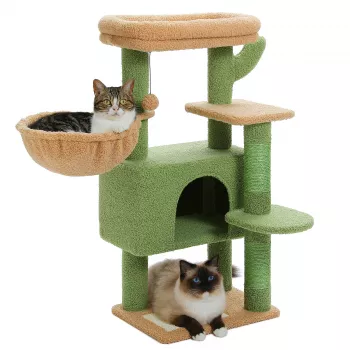
- Multi-Level Cat Tree for Large Cats ($39.51 USD) for creating a dedicated pet zone that helps reduce traffic around entryways and consoles.
- First-Time Parent Survival Guide – Digital Download ($6.99 USD) for practical at-home routines that can make busy spaces feel more organized.
FAQ
How high should a rectangle wall mirror be hung?
For general use, hang it so the center sits around eye level for the primary users. Over a vanity, center the mirror to the sink/vanity area and keep it comfortably above the backsplash and faucet; for full-view use, prioritize a mounting height that captures head-to-toe reflection from your typical standing distance.
Should a mirror be the same width as the vanity or console?
Usually it looks best slightly narrower than the furniture so the edges don’t feel crowded—often leaving a few inches of margin on both sides. Thicker frames and wide light fixtures may require a bit more “breathing room,” while slim frames can go closer to the furniture width.
What’s the safest way to mount a heavy wall mirror?
Mount into studs when possible and use weight-rated hardware that matches your wall type (drywall, plaster, tile, or concrete). Follow the manufacturer’s instructions, measure carefully, and use a level so the mirror stays secure and straight over time.









Leave a comment