Whole-Body Wellness for Beginners: Simple Daily Routine
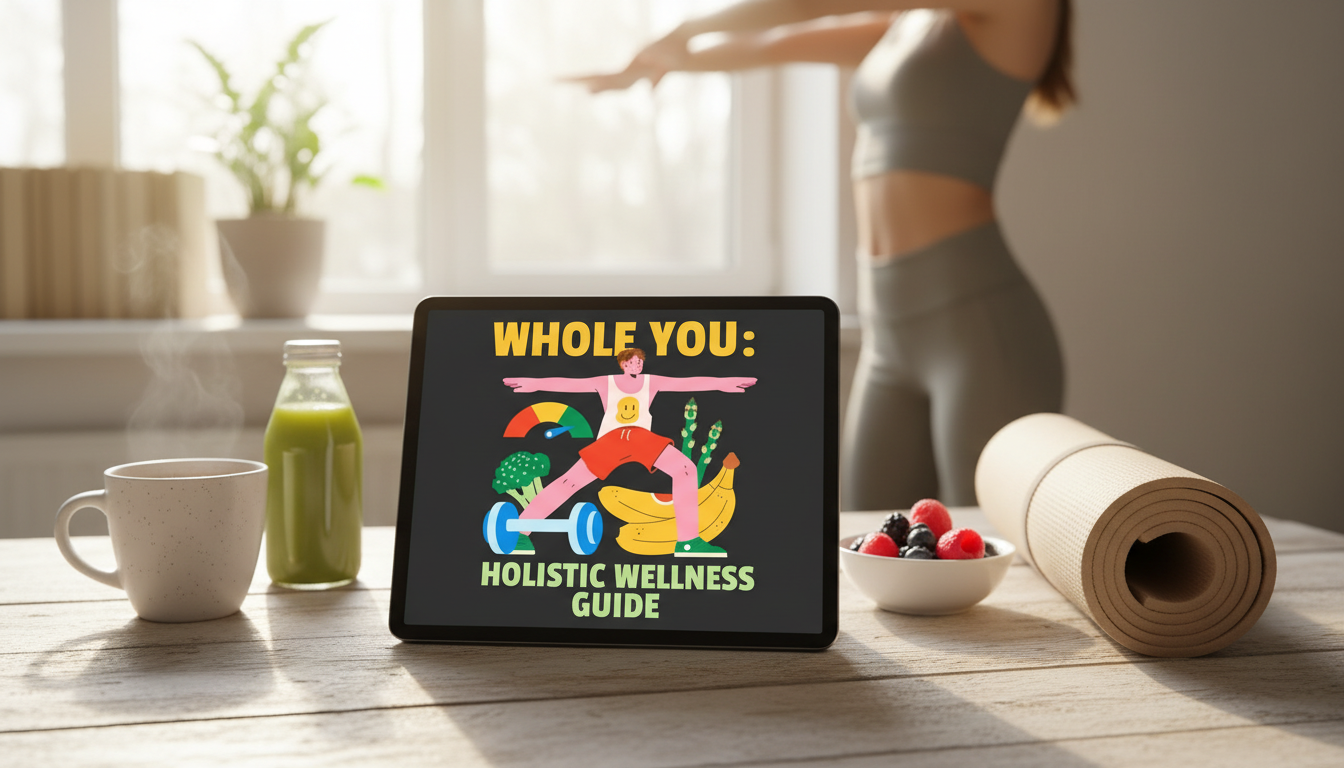
Whole You: A Beginner’s Holistic Wellness Guide for Daily Nutrition, Movement, Mindset, and Self-Care
Holistic wellness gets easier when it’s broken into small, repeatable practices that support the body and mind together. A sustainable routine doesn’t require perfect meals, intense workouts, or an elaborate morning ritual—it needs a simple rhythm you can return to, especially on busy or stressful days. Below is a beginner-friendly framework that organizes the essentials—nutrition, movement, mental well-being, and restorative self-care—into doable daily steps that build consistency without overwhelm.
What “Whole-Body Wellness” Means for Beginners
Whole-body wellness is the idea that your health isn’t one thing—it’s a set of connected pillars that influence each other. When you support the basics, improvements often show up in multiple areas at once.
- Focus on four connected pillars: nutrition, movement, mental well-being, and restorative self-care.
- Aim for sustainable habits over short-term intensity: consistency beats extremes.
- Track signals that matter: energy, mood, sleep quality, digestion, and stress levels.
- Use a “minimum viable routine”: a smaller version of your plan for hectic days so you don’t fall off track.
If you want a structured, beginner-friendly plan that combines checklists and prompts across all four pillars, Whole You: Holistic Wellness Guide (Digital Download) bundles everything into one clear routine you can revisit anytime.
A Simple Daily Framework: The 20–20–20 Approach
This approach keeps the bar realistic: 20 minutes for nutrition support, 20 minutes for movement, and 20 minutes for your mind (plus a small self-care anchor). If 60 minutes feels like too much, split it up or choose just one pillar on high-stress days—momentum matters more than perfection.
- Nutrition (20): one balanced meal or snack built around protein, fiber, and healthy fats.
- Movement (20): low-impact strength, brisk walking, mobility flow, or gentle cardio.
- Mind (20): journaling, breathwork, meditation, or a short outdoor reset.
- Adaptations: try 3 x 10 minutes, or complete just one pillar when life is heavy.
Beginner Daily Routine Options
| Pillar | 5-Minute Start | 15–20 Minute Build | Easy Way to Measure Progress |
|---|---|---|---|
| Nutrition | Add protein to breakfast (yogurt, eggs, tofu) | Plan one balanced meal + one high-fiber snack | Less afternoon crash; steadier hunger cues |
| Movement | 5-minute mobility (hips, shoulders, spine) | Walk + basic strength circuit (squat, push, hinge) | Improved stamina; fewer aches |
| Mind | Box breathing (4-4-4-4) for 2 minutes | Guided meditation or journaling prompts | Lower stress rating; better focus |
| Self-care | Set a “shutdown” reminder 30 minutes before bed | Evening routine: light stretch + screens off | Faster sleep onset; fewer wake-ups |
Nutrition Foundations That Don’t Require a Perfect Diet
Nutrition gets simpler when you stop chasing “ideal” and start building reliable meals. A helpful baseline is the plate method: half non-starchy vegetables, a quarter protein, a quarter carbs, plus healthy fats (olive oil, avocado, nuts, seeds).
- Prioritize protein and fiber: they support satiety and steadier energy.
- Hydration basics: drink water regularly; consider electrolytes when sweating heavily.
- Beginner upgrades: add one fruit or vegetable serving per day; swap refined snacks for protein+fiber combos (apple + peanut butter, turkey roll-ups + veggies, edamame).
- Gentle planning: keep 3 go-to breakfasts, 3 lunches, and 3 dinners to reduce decision fatigue.
For evidence-based guidance on building a balanced eating pattern, see the Dietary Guidelines for Americans (2020–2025).
If you’re also focused on nutrition signals like thinning hair or low energy, Understanding Hair Loss from the Inside Out (Nutrition Guide eBook) offers a targeted, food-first way to think about nutrient gaps and supportive habits.
Movement for the “Not Feeling Fit Yet” Stage
Movement is a skill you rebuild through repetition. The goal early on is to prove to yourself that you can show up—without punishing workouts or complicated programs.
- Start with consistency: 2–3 sessions per week beats occasional intense workouts.
- Use a balanced week: 2 strength days, 2 light cardio days, and daily mobility (even 5 minutes).
- Choose joint-friendly options: walking, cycling, swimming, Pilates, and resistance bands.
- Progression rule: increase time or resistance slowly (about 5–10% at a time).
- Recovery counts: soreness isn’t the goal; steadier energy and strength are.
For a clear baseline on weekly activity targets, reference the Physical Activity Guidelines for Americans (2nd edition).
Mental Health Practices That Fit Real Life
Mental well-being improves when the nervous system gets regular signals of safety: steady breathing, grounded attention, and predictable breaks. These tools are designed to be used in the middle of real life—not only when you have an empty schedule.
Self-Care That Actually Restores (Not Just Adds Tasks)
For practical sleep guidance, the CDC Healthy Sleep resources are a helpful reference.
Putting It Together: A Beginner Weekly Plan
A Guided Option for Staying Consistent
If you prefer an all-in-one roadmap, Whole You: Holistic Wellness Guide (Digital Download) is designed to make daily choices easier with routines you can repeat and adjust as your energy changes.
FAQ
What is holistic wellness in simple terms?
Holistic wellness means caring for your body and mind together through nutrition, movement, stress support, sleep, and daily habits. The focus is consistency over perfection so your routine is realistic long-term.
How do beginners start a wellness routine without getting overwhelmed?
Start with one small habit per pillar and use a 5-minute minimum routine on busy days. Add only one change per week so your routine feels doable instead of stressful.
How long does it take to notice benefits from basic lifestyle changes?
Many people notice shifts in energy or sleep within a few days to two weeks, while strength and endurance typically take several weeks. Body composition changes often take longer and vary by individual, habits, and starting point.












Leave a comment